
The dictionary doesn't really mention Japan in its definition of enigma, but it might as well. I believe that you could live your entire life in this country and still never be fully on top of the intricacies, subtleties and just straight-up strangeness of this remarkable place. Nothing can prepare you for Japan. It's… different!
So, let's set the scene. I'm sitting in a very simple, basic sushi restaurant in Tokyo and enjoying small sips of warm sake. Everything in this place is written in Japanese script that I cannot read or understand. Outside, there are multi-coloured neon lights everywhere, advertising everything from noodles to motorbikes. The streets are filled with young couples walking, but the noise level is remarkably low.
Ordering my food and drink involved three waiters, two random customers and a lot of menu-pointing and smiling. I'm the only foreigner, and my presence is clearly unexpected, but I've been made to feel welcome.
The menu, as usual, was accessed by a QR code on my phone. Everything here is automated. Everything. There is background music and every three minutes a waiter comes by to check I'm happy and not in need of a refill. In Japan, the customer is king, and service levels are extraordinarily high.
You'll be greeted with a welcome shout of 'irasshaimase' (welcome) when you arrive and cheerful 'arigato gozaimasu' (farewell) from everybody when you leave. Everybody bows to everybody…always. You may find it strangely addictive, and hard to stop when you return home.
On trains here, the conductor will bow to all of the passengers when he enters your carriage and bow again when he leaves. When we leave a hotel, the front desk staff line up outside to wave goodbye. They don't wave and then go, they stay waving until we are out of sight, and they do this always.
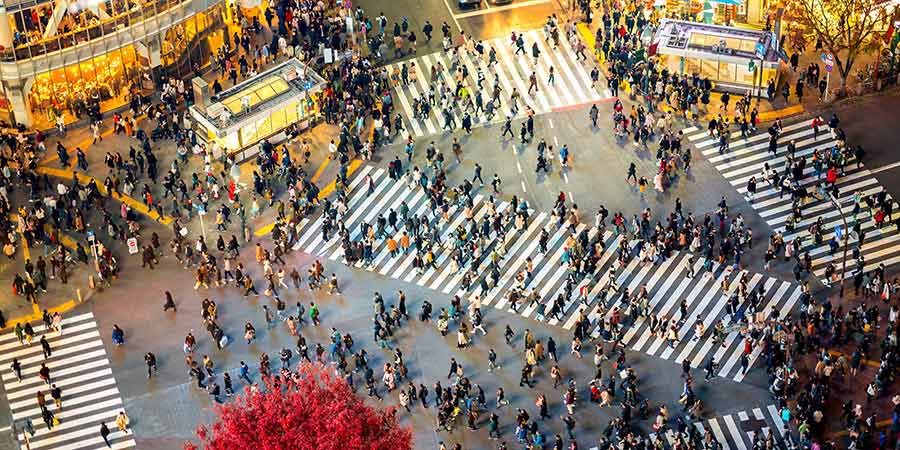
Wa: Harmony in densely populated cities
Japan has five main islands and much of the interior is mountainous and more or less uninhabitable, meaning that anywhere that is even remotely flat has been turned into a city.
The landmass is about the same size as California and the total population is about 120 million - 92% of them are urban. Most people are squeezed into coastal cities, meaning that the population density is very, very high.
When everybody is living on top of everybody else, it goes some way to explaining why the Japanese have developed a culture of extreme courtesy and consideration for others. The last thing that you want is for frustrations or misunderstandings to evolve into argument or hostility when you're living shoulder to shoulder.
The really fascinating thing is that Japanese etiquette, scrupulously observed by all, is not a result of legislation but purely because of social pressures. They follow the rules because it makes sense and because that's what you learn to do from cradle to grave, not because the law requires it (it doesn't).
In Japan, the cultural principle known as 'wa' (group harmony) is all important. It prioritises collective stability over the needs of the individual. Japanese conversation involve courtesy, indirect language, and listening. You will rarely hear a Japanese person say no. You're more likely to hear something along the lines of: "That might be a little difficult"; "that is a possibility"; even "That's a bit.." (and then just tapering off).
Shigoto: Working together
Before coming here, I took time to study the rules. Stand on the left on escalators; don't eat in the street; don't talk loudly in public or talk on your phone on public transport. And never, never, never be late. For anything. Ever.
After a while, it becomes almost second nature, although we 'gaijin' (foreigners) still make frequent mistakes which the Japanese are much too courteous to point out.
Another factor at play in Japan is 'shigoto'. As always, the explanation is nuanced but at its heart it involves craftsmanship, commitment, pride and contributing to the larger society. Japanese automobiles became popular, at least in part because they came up with the simple but (at that time) radical idea that a car should always start when you want it to, and not break down frequently.
Japanese electronics became a byword for reliability and design.
Japanese food is often exquisitely presented, a treat for the eye.
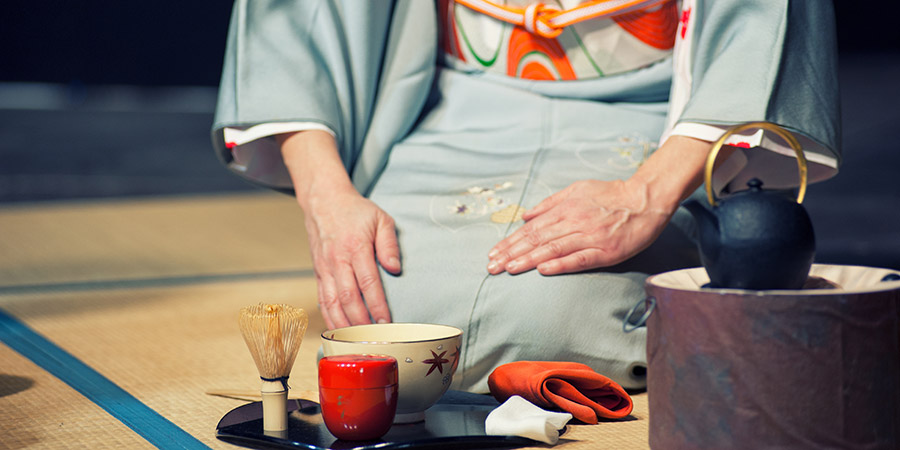
From flower arrangements to delicately decorated sake cups and lacquer work, things are made and presented with pride.
Do it as well as you can. If you do only one thing, do it beautifully. Doing just enough to get by isn't a familiar Japanese concept.
Harae & kiyome: Ensuring cleanliness
The Japanese may possibly be the cleanest people on the planet.
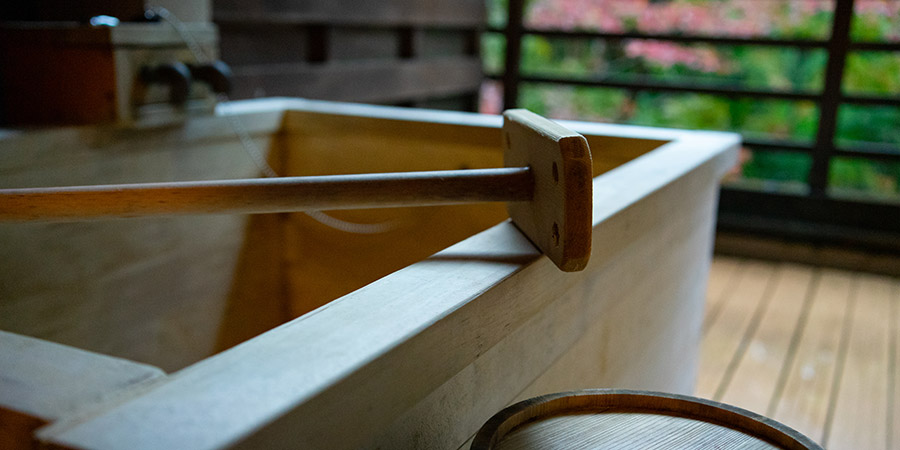
My guide on my most recent Great Rail Journeys tour was Ms Chikako. I asked her why all the hotel rooms were fitted with both bath and shower. The Japanese, she explained, will shower first, then soap themselves, then rinse off in the shower before climbing into a very hot bath. There will often be a second shower later in the day, possibly before bed.
Many hotels come equipped with an onsen - a spa with naturally heated mineral water or sometimes mud which the Japanese will happily clamber into stark naked and then sit steaming for ages. You are given a small towel to protect your modesty when walking around, and this should be folded and placed on top of your head while in the water - since it may be unclean, you mustn't put it beside the pool where others may walk or rest their head.
When you're out and about, you will find that public and private toilet facilities are immaculate, cleaned and re-stocked frequently. Japanese toilets are wonderful and something very different to those we are used to in the UK. This isn't the place to go into detail, but trust me: after a visit to Japan, you will never want to return to western toilets. While I've been away, I have phoned my wife and suggested that we have one fitted at home when I return. Domestic negotiations will open as soon as I get back, but she doesn't yet know that this is a hill I'm prepared to die on. She'll understand. Eventually. Hopefully.
Explore Japanese culture & more with GRJ
So, why am I writing so extensively about Japanese culture?
What about the scenery, the Shinkansen bullet trains, the huge cities, tall buildings and the Shinto temples? They are all there and you will experience them on any Great Rail Journeys tour of Japan. And you'll enjoy them.
For me however, the real adventure in Japan is in learning about the customs and etiquette, the history, culture and society. In short, learning about the Japanese people.
Visiting a world where what feels like almost everything that we live by in Europe is upside down, turned around or simply non-existent is something quite extraordinary. You really, really need to go there…
GRJ offers three holidays to Japan, unveiling this magical country through it culture and iconic sights.
- Jewels of Japan by Rail - Uncover Japan's unique treasures on a 14-Day journey from Tokyo to Osaka, via Kyoto and Hiroshima.
- Grand Tour of Japan by Rail - Explore Japan from Sapporo in the north to Fukuoka in the south on this epic 16-Day journey across three islands.
- Treasures of South Korea & Japan - Coming soon for 2028! On this 16-Day holiday, discover South Korea before exploring Japan from Fukuoka to Tokyo.