
I'm sitting here in Kerala, southern India. It's 8pm, dark and 'winter'. The weather is a very pleasant 22℃. I'm sitting outside, alone at a table in our hotel in Kumarakom under moonlight and palm trees, and the moon is reflecting off nearby Vembanad Lake.
My customers are about 50 yards away dining on local or European dishes in the splendid buffet restaurant. It has ceiling fans, a roof but no walls. We're in the tropics: it rains sometimes but it's never cold. The hotel manager was very concerned that I might become the dinner du jour for local insects and so appeared at my table towing a large electric fan to discourage them. Indian hotels are like that. No detail is too small.
The best news of all is that my customers are happy and really enjoying their Grand Tour of Southern India & Kerala. Happy customers mean that my life as a Tour Manager is a happy one. After all, one of the main reasons for doing this job is to see smiles. Those moments when people sidle up to me and 'we are having the best time and this hotel is wonderful'. This happens often; I'm not making it up.
These are the things that make you want to do the job, the moments that you take home with you after a tour ends.
Falling in love with southern India
I must confess that I feel a fool.
I've been travelling to India for many years, telling anybody who will listen that I'm an old hand at India - sufficiently versed in knowledge and the skills required to manage tours over here. That may be true to in the north, but it's only now that I've realised how very local this was.
Southern India is the same… but different. Approximately 60% of my customers on this tour have visited India before, usually on one of our Golden Triangle holidays that serve as great introduction to the country.
I thought I would write about why, if you've already visited India in the north, this is the ideal follow up tour to consider if you fell in love at first sight with this remarkable country, as I did. Of course, if you've never visited India before, this tour is still a great place to start, but you'll get slightly more out of it if you already have an acquired taste. Northern India is hustle, bustle, crowds, temples, palaces and animals, all colourfully strewn across the country like fallen jacaranda blossom on pavement.
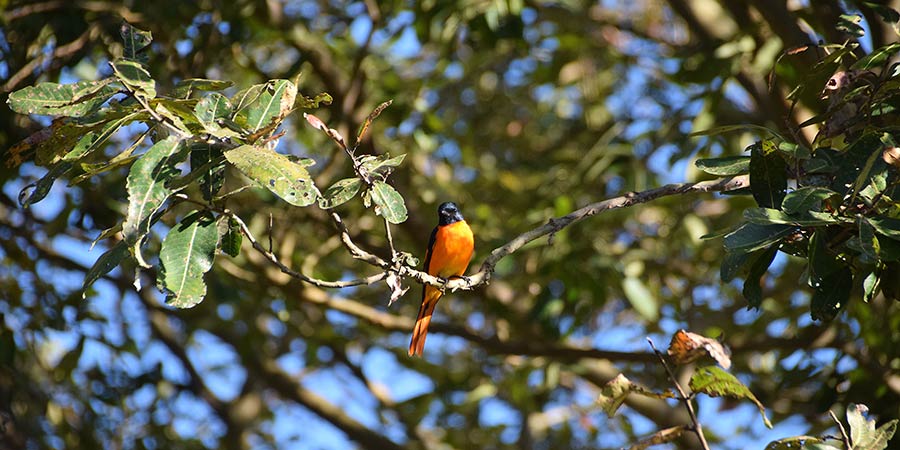
Southern India is still India, but it is quieter. The pace of life is slower and timeless and has much more of a rural feel. There are fewer people, but one thing that there are in plenty are birds. This tour is a bird enthusiasts paradise! I have six customers in this group who enjoy that interest and they are teaching the rest of us to share their enjoyment.
Discovering authentic India in Kerala
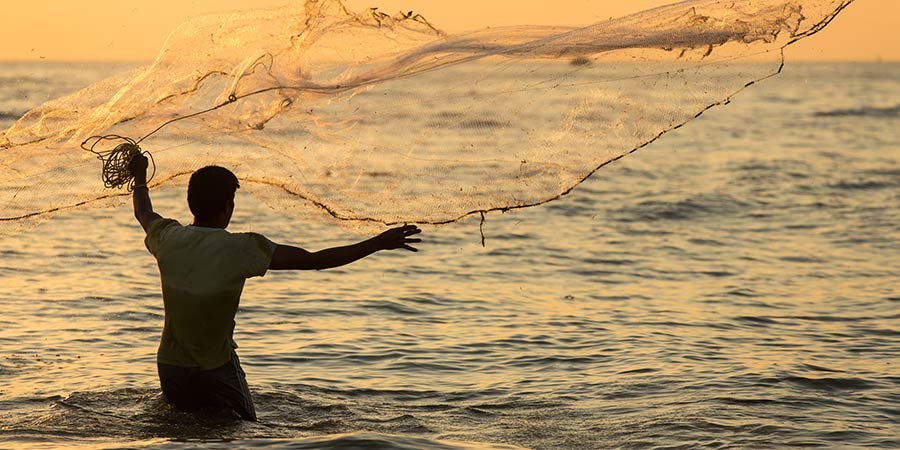
The excursions reveal the traditional side to live here. We have watched people catch, sell and cook fish and do all manner of things with coconuts: make fresh chutney, weave leaves and make rope from husks. We've learned how to make masala chai (spiced Indian tea). At home and on tour around the world, I drink it by the pint in my thermos flask and I'm pleased to say that I've made some converts within our group.
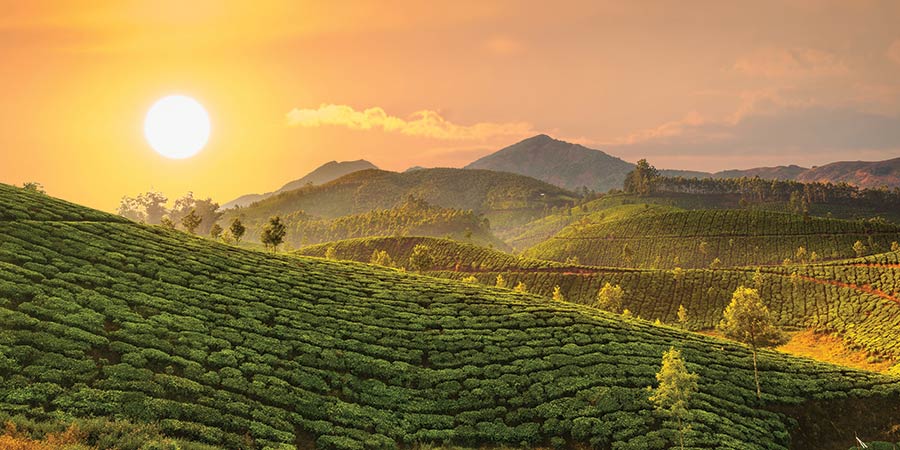
We've visited temples; been blessed by and chatted with pilgrims; watched the dhobi-wallahs at the ghats in Kochi doing the laundry to military standards using irons heated internally by burning coconut shells. We've ridden Indian trains, tasted fresh spices, visited a tea plantation and we have gazed at cows in the street dyed yellow with turmeric for the Tamil Pongal festival.
I spent time giggling in a botanical garden with a large group of Muslim children on a school outing wanting to practice their English. "Do you have an umbrella?", "Is the weather clement?" and of course the universal "Manchester United!". We watched other children being taught outdoors at a mosque's madrassa school. We made rural shampoo by crushing hibiscus leaves in water until they formed a lather. We've seen and done so much that it's actually difficult to recall without going back through notes and photos.
We went elephant and wildlife spotting along a river and tomorrow we visit a spice plantation. The hills here are a prime source for cardamom. Kerala translates as 'land of coconuts' and you'll see why very quickly when you get here. Coconuts are amazing things; oil, water, milk and meat can be used extensively for cooking; the shells and husks can be made into rope, containers, matting and also burned for heat and used as animal feed. If you have access to coconuts and rice, you can build an entire life for yourself - and people do.
What's the difference between southern and northern India?
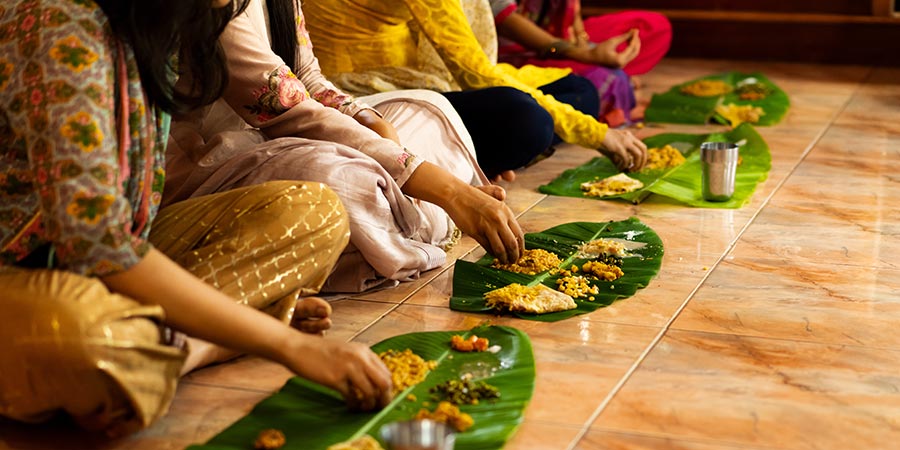
Southern India is different to the north in several ways. The most obvious might be that while breads such as naan are the primary accompaniment to food in the north, down south it's rice. Hinduism remains the dominant religion in south India, but Buddhism, Jainism, Christianity and Islam are also followed.
Although vegetarian food dominates, there are plenty of chicken and fish dishes for those whose diet is not specified by religion. The languages are different too: The Dravidian languages of Kannada, Malayalam, Tamil, Telugu and Tulu rub up against the official language of Hindi. English is widely spoken but you can still hear French in Pondicherry and Portuguese in Goa.
The original colonial excursions into trade with India from these countries (as well as the Dutch) occurred in the 17th century and were based in south India before moving north. Think spices, silk, cotton, indigo, opium and tea. Think it, because the British East India Company did. At its height, the most powerful corporation in history with its initial base in Chennai (now known as Madras, where our tour ends) was a hybrid of business, government and military power. Like any company that size, it was ruthless and had a controversial and tarnished history.
What to think about before a holiday to India
Is there anything to think about before you book this tour in the future?
You'll need a visa for India but there are no mandatory vaccinations. Not all the hotels have international plug sockets, so an Indian adapter is essential. Bug spray is required but only very occasionally. The weather will be hot on the coast but cool in the mountains and it's possible that you'll get rained on, although we haven't.
Plastic water bottles are banned for environmental reasons in several south Indian states, so bring a refillable bottle and it can be topped up with safe water on our coach. Laundry service is available at all hotels, and I got 15 items washed and ironed in a day for £8 in our excellent Ooty hotel.
Some religious sites on our excursions ask you to remove shoes, but socks are usually allowed. Indian driving and traffic remain as chaotic as ever, but GRJ use coach drivers who are extraordinarily skilled.
Experience Kerala with the experts
It's hard to explain how much I have enjoyed taking this tour for the first time, helped by a superb group of customers who have gelled right from the start.
It's also been helped by the high standard of hotels. We use hotels from the Taj group whenever possible and their attention to detail, pride in service and food are exemplary.
I can't wait to take this tour again!
If you would like to experience it for yourself, book our Grand Tour of Southern India & Kerala.
You can find our full range of tours to India here.